







Search Results for: Indonesia COE
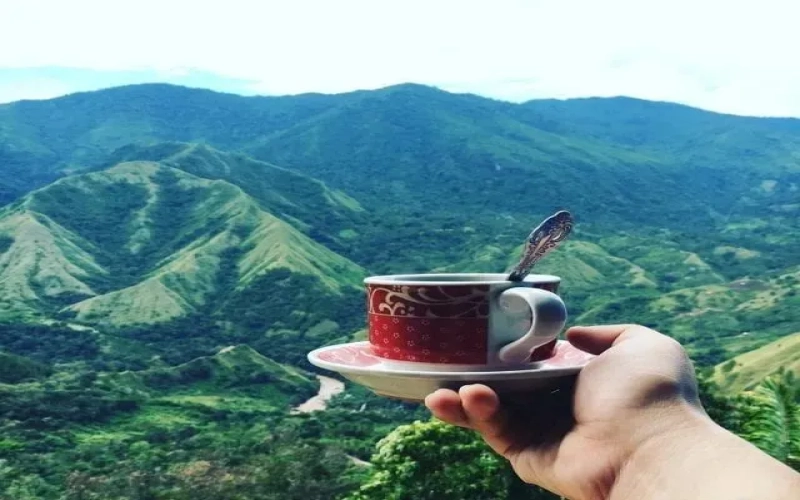
2021 Indonesia's First COE Cup of Excellence Results Announced: Flavor Shift and Specialty Signals from 26 Winning Beans
In 2021, Indonesia hosted the Cup of Excellence (COE) for the first time, officially becoming the 14th country in the world to hold a COE competition. As the fourth-largest coffee producer, Indonesia has long been known for the mellow, herbal, and spicy flavors of Mandheling and Kopi Luwak, yet it has remained silent in the specialty coffee conversation. This year's competition selected a total of 26 winning beans, with the champion scoring 89.82 points and the runner-up 89.04 points, neither breaking the 90-point mark, which truthfully reflects the current level of Indonesian coffee. Notably, in addition to the traditional spice, clove, and chocolate notes, the flavor descriptions of the winning beans also included fruit tones such as cranberry, tangerine, and cherry, hinting that Indonesian coffee is quietly shifting. Front Street Coffee believes this transformation will take at least ten years, but the signal is already clear. [more…]
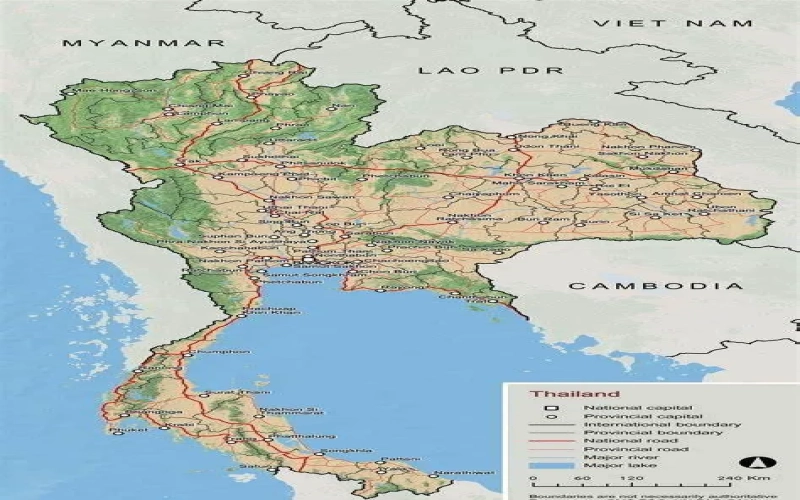
2024 Thailand COE Champion: The Rise and Repeat Victory of a Hmong Coffee Estate in Nan Province
Thailand's coffee industry has been making frequent strides toward specialty coffee in recent years. The results of the 2024 Cup of Excellence (COE) have been revealed, and a Miao coffee estate from Nan Province has once again taken the championship with 91.8 points, achieving a consecutive win. This estate, operated by the Wichai Kamnerd Mongkon family, is nestled deep in remote forests and mountains. Since 2012, it has insisted on organically cultivating Geisha, Catimor, and Java varieties, and after years of dedicated effort, it has finally gained international recognition. This article will take you through the historical development of Thai coffee, the distribution of its producing regions, and what makes this championship estate so unique. [more…]
What exactly is the COE Cup of Excellence competition? A complete breakdown from the scoring criteria to Ethiopia's first auction beans
In the specialty coffee world, the Cup of Excellence (COE) is regarded as the most prestigious green coffee competition, and the top-ranked beans on its annual list often become the focal point of auctions. This competition, launched by ACE in Brazil in 1999, now covers more than a dozen producing countries, selecting the top 30 with cupping scores above 87 for a global auction. This article will outline the origins and scoring system of the COE, and focus on reviewing the story of the 22nd-place natural Typica that Front Street Coffee won at auction when Ethiopia first joined the COE in 2020—from West Arsi, grower Adem Banta Sute—as well as the processing, roasting, and brewing details of this bean. [more…]
A Global Roundup of Top Specialty Coffee Beans: Origins, Prices, and Flavor Stories of Six Expensive Varieties
In the world of coffee lovers, there are always some beans that command high prices due to their rarity, legendary status, or exceptional flavor. This article reviews six recognized expensive specialty coffee beans, from Indonesia's Kopi Luwak to Panama's Hacienda La Esmeralda Geisha, and Jamaica Blue Mountain, introducing their origins, reference prices, and the stories behind them one by one. Details covered include the COE competition results of El Injerto and Santa Ines estates, the connection between Saint Helena Island and Napoleon, and the production and marketing structure of Blue Mountain coffee. By reading this article, you can quickly understand why these top coffee beans are expensive, as well as their unique flavors and historical highlights. [more…]
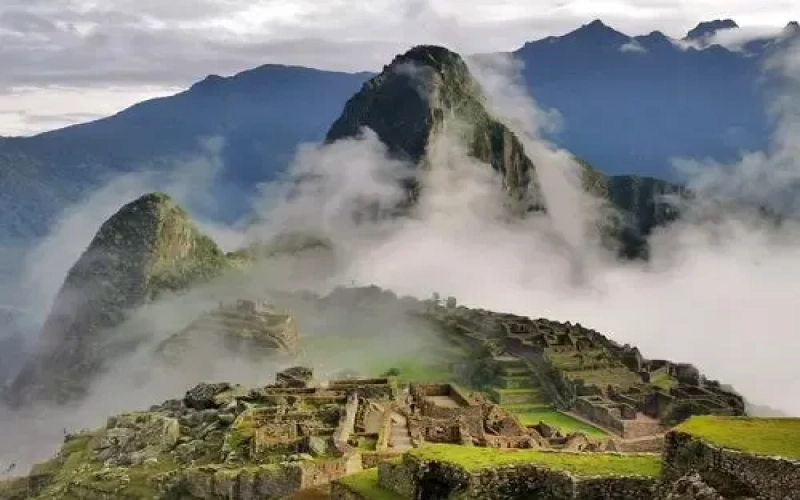
Exploring Peru's Cajamarca Coffee Region: Smallholder Specialty Coffee in the Andes and the Story of a COE Champion
Nestled in the embrace of the South American Andes, Peru may not be as high-profile as Colombia and Brazil, yet thanks to its volcanic soil, tropical mountain climate, and high-altitude growing conditions, it produces coffee beans of outstanding quality. Among its regions, the northern Cajamarca region has performed particularly impressively in recent years, earning renown not only for its smallholder intercropping model and sustainable farming practices, but also for its frequent appearances on the COE list. This article will take you deep into the Cajamarca growing region's geographical environment, historical context, and cultivation characteristics, and analyze the secrets behind the success of the 2023 COE champion farm, Yoniser Mego Silva. [more…]

Why Does Bolivia's Coffee Production Remain Low? Flavor Characteristics and Analysis of the Java Bean from Waliki Estate
Bolivia is a landlocked country in South America. Although it possesses high-altitude growing environments and distinctive floral and fruity aromas, it has long ranked among the countries with the lowest coffee production in the world. Factors such as coca leaf cultivation policies, leaf rust infestations, and the suspension of the COE competition have collectively led to the decline of its coffee industry. This article reviews the historical trajectory, main producing regions, and cultivated varieties of Bolivian coffee, and focuses on introducing the Waliki Estate Cacao Natural Java beans selected by Front Street Coffee, providing a comprehensive reference for coffee enthusiasts from estate management, processing methods, to roasting and brewing parameters and flavor performance. [more…]
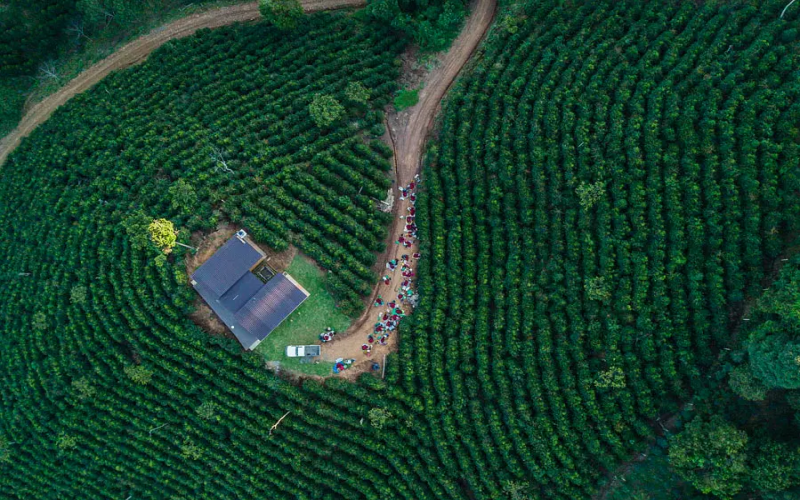
Why Does Bolivia's Coffee Production Remain Persistently Low? An Analysis of Regional Flavor Characteristics and the Java Bean from Waliki Estate
In the coffee landscape of South America, beyond Brazil and Colombia, Bolivia also produces coffee beans of outstanding quality. This landlocked country has a high-altitude growing environment, and its coffee has a rich and unique aroma, often with floral and fruity notes. However, over the past decade or so, Bolivia's coffee production has plummeted by 70%, reducing it to a minor coffee country. Factors such as coca leaf cultivation policies, the spread of leaf rust, and the cancellation of the COE competition have intertwined to make life difficult for local coffee farmers. Today, Front Street Coffee takes you into a deeper understanding of the historical context, main producing regions, cultivated varieties, and processing methods of Bolivian coffee, with a special focus on a cacao natural Java coffee bean from the Waliki Estate, presenting its complete flavor profile from the origin story to roasting and brewing parameters. [more…]
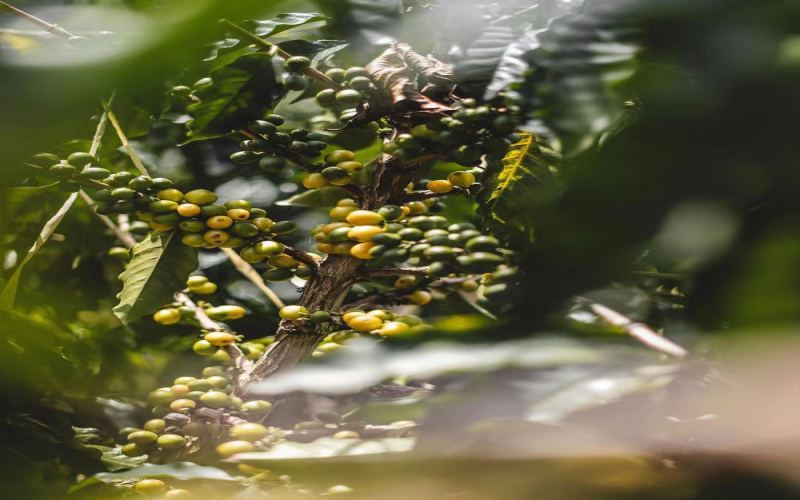
Bolivia Geisha Coffee Flavor Analysis: The Story of the Java Variety and the Rodriguez Family's Specialty Journey
Although Bolivia is hailed as an ideal place for coffee cultivation, its production has always been limited, yet its coffee impresses with rich sweetness and soft acidity. At the 2017 WBC, Japanese competitor Miki Suzuki won the world runner-up title with a Bolivian Geisha, bringing this origin into the spotlight. The Java variety, known as Geisha's cousin, likewise offers an elegant and distinctive flavor. Front Street Coffee once cupped a Cacao Natural Java from the Rodriguez family, which was sweet and tangy with a creamy smoothness. This article will guide you through the development history of Bolivian coffee, its cultivation models, and the distribution of its producing regions, as well as how the Rodriguez family is driving specialty coffee forward, and provide a detailed analysis of the roasting and brewing performance of this Waliki Estate Java coffee bean. [more…]
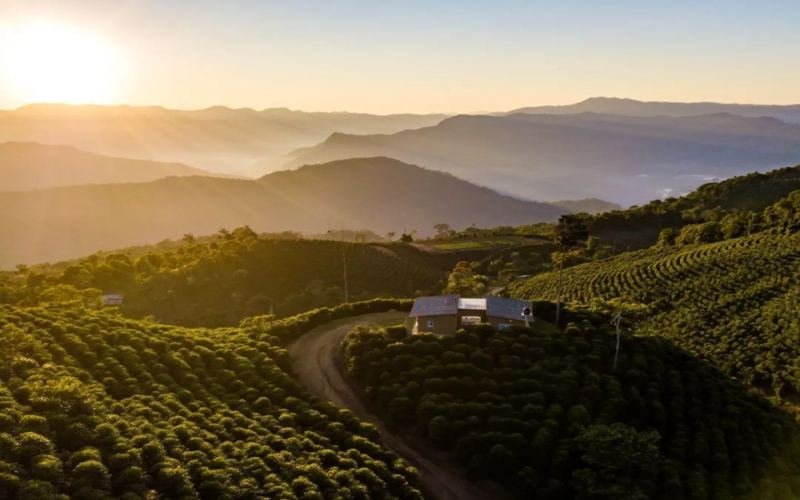
Planting Background, Development Trajectory, and Java Variety Flavor Analysis of Bolivian Coffee Regions
Although Bolivia is hailed as an ideal place for growing coffee, its production has always been limited. The high altitude and diverse terrain give the coffee rich sweetness and soft acidity. It was with Bolivian Geisha that Miki Suzuki, runner-up in the 2017 WBC, won attention. However, steep roads, the temptation of coca cultivation, and the blow of leaf rust in 2013 have repeatedly brought twists and turns to the coffee industry of this landlocked South American country. From the glory of the COE competition to the export difficulties amid political turmoil, the revival of Bolivian specialty coffee cannot be separated from the perseverance of the Rodriguez family. They promote the Tomorrow's Sun project and have cultivated distinctive bean varieties such as Coco Natural Java. This article will introduce Bolivia's coffee-producing regions, historical context, and variety flavors, and Front Street Coffee also shares its cupping experience. [more…]
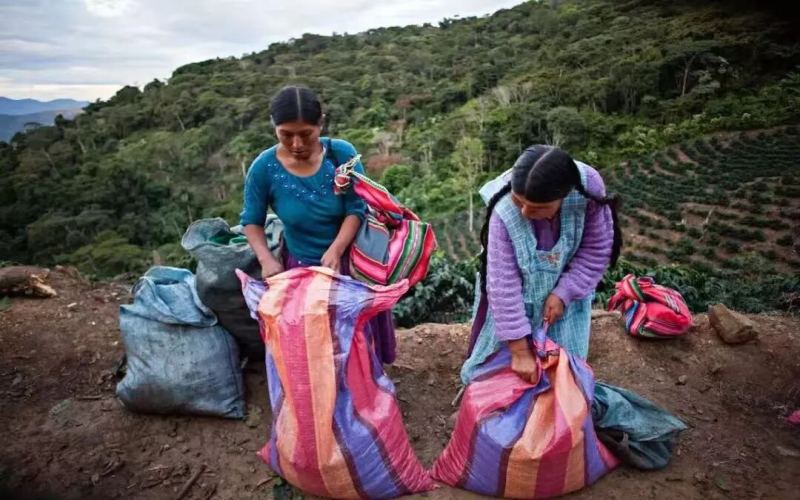
Bolivian Coffee Beans | Why is Bolivian coffee rarely seen in China? What unique characteristics does Bolivian coffee have?w
Bolivia is a fascinating place. Although it is called a paradise for coffee growing, its production has always been low. Front Street Coffee is deeply impressed by the delicate flavors of Bolivian coffee. In terms of flavor expression, Bolivian coffee is mostly characterized by rich sweetness and soft acidity. At the 2017 WBC (World Coffee [more…]
Bolivia Coffee Full Analysis: Specialty Bean Flavor Characteristics, Cultivation History, and the Rodriguez Family Geisha Java
Bolivia is celebrated as an ideal place for growing coffee, yet its annual output has long remained low, at one point even falling to the level of a minor coffee-producing country. And yet this land has given rise to a Geisha that won the favor of a World Barista Championship runner-up, as well as the Java variety known as Geisha's cousin. From the high-altitude terroir of the Yungas region, to the Tomorrow's Sun project promoted by the Rodriguez family, and on to innovative experiments with the cacao natural processing method, Bolivian coffee has carved out a winding yet fascinating path toward specialty coffee. Front Street Coffee will guide you through the origins, development history, varietal characteristics, and flavor profile of Bolivian coffee, with a focus on cupping a cacao natural Java coffee bean from the Valiki estate. [more…]
Bolivian Coffee Bean Flavor Characteristics and Origin Story: From Death Road to the Transformation into Specialty Coffee
In the heart of South America lies Bolivia, a landlocked country surrounded by high mountains. Although its coffee-growing elevations do not match those of its neighbors, Bolivia's unique natural environment and continuous efforts toward specialty coffee are gradually bringing Bolivian coffee into the view of coffee lovers worldwide. From the once treacherous "Death Road" to today's high scores at the COE competition, from Typica and Caturra to the distinctly flavored Java variety, this land produces coffees with deep sweetness and soft acidity. In this article, Front Street Coffee will take you deep into the geography, history, and regional flavors of Bolivian coffee, as well as Front Street's roasted and cupped Valiki Estate Cacao Natural Java, exploring its alluring charm where ferment notes interweave with floral and fruity aromas. [more…]
Comparison of the Three Major Coffee Regions—Africa, Latin America, and Asia: An Analysis of Flavor and Variety Differences in Coffee Beans from Ethiopia, Brazil, and Indonesia
Coffee enthusiasts often feel overwhelmed when faced with a dazzling array of single-origin beans, yet in fact, different flavor profiles are often directly linked to their place of origin. Global coffee cultivation is mainly concentrated in three major regions: Africa, Latin America, and Asia. Africa is known for its bright fruity acidity and crisp, refreshing mouthfeel; Latin America is characterized by nutty and cocoa notes as its base; and Asia tends to present herbal and spicy aromas. Front Street Coffee's shop carries over 50 varieties of coffee beans from around the world. This article will use Ethiopia, Brazil, and Indonesia as representatives to systematically sort out the differences in growing conditions, varietal characteristics, and processing methods across the three major producing regions, and combine them with specific products such as Front Street Huakui, Yirgacheffe, Queen's Estate, and Mandheling to help coffee lovers quickly pinpoint the cup that suits them based on their taste preferences. [more…]
2025 Imported Roasted Coffee Bean Price Overview: How Much Per Catty for Front Street Coffee's New-Crop Single-Origin Beans?
The 2025 new-crop bean list from Front Street Coffee has been officially released. Every year, the bean-sourcing team tests over 300 sample lots, and in the end only about 50 make it onto the shelves—a clear sign of just how strict the selection criteria are. This article compiles the latest prices for the entire lineup of imported roasted coffee beans currently on sale this season at Front Street, covering classic representative beans from major producing regions such as Ethiopia, Kenya, Papua New Guinea, Indonesia, Jamaica, Hawaii, Panama, Costa Rica, and Colombia. From COE auction-winning beans to everyday washed Yirgacheffe, from Blue Mountain No. 1 to Hacienda La Esmeralda Geisha, each one is labeled with its origin, processing method, and flavor description, making it easy for coffee lovers to choose according to their needs. [more…]
Brazil Santos Coffee: A Full Overview of Bourbon Variety Flavor Profile and Growing Region Background
Brazil Santos coffee, with its full-bodied mouthfeel and intense cocoa-nutty notes, has long held a core position in espresso blends. But Santos is not a coffee variety—it is the name of a major export port in southeastern Brazil. This article provides a comprehensive analysis of the true character of Santos coffee, from the region's history, bean variety evolution, and processing methods to cupping flavors, and specifically introduces the detailed parameters and tasting points of Front Street Coffee's Brazil Santos Natural Bourbon, making it suitable reading for enthusiasts who want to deepen their understanding of Brazilian specialty coffee. [more…]
The Road to Revival of Bolivian Coffee: Exploring the Flavors of Pedro Rodríguez, Geisha, and Java Varieties
In the landlocked South American country of Bolivia, the development of specialty coffee is inseparable from the Rodríguez family, especially Pedro Rodríguez, who is regarded by the industry as a key figure in Bolivia's coffee revival. From trendy brands like Intellectuals snapping it up year after year, to Japanese competitor Miki Suzuki winning the World Runner-Up title with Geisha from his estate, Bolivian coffee is returning to the spotlight with its unique terroir and exceptional quality. Front Street Coffee recently cupped the Cacao Natural Java produced by the Rodríguez family, as well as the Washed Java Typica from the Tomorrow's Sun project, and the flavors were stunning. This article will trace the ups and downs of Bolivian coffee history, the characteristics of its producing regions, the contributions of the Rodríguez family, and the varietal origins of Geisha and Java, giving you a comprehensive understanding of the coffee charm of this high-altitude producing country. [more…]
Why Are Brazilian Coffee Beans the Top Choice for Blends? A Comprehensive Analysis from Regions and Varieties to Grading
Brazil, as the world's largest coffee producer, offers both large-volume commercial beans and COE specialty coffees. Front Street Coffee currently carries only two Brazilian beans, because their flavor is stable but relatively one-dimensional. This article takes an in-depth look at the growing regions, varieties, and processing methods of Front Street's two beans, Brazil Cerrado and Queen Estate, explains the origins of the pulped natural process, and details Brazil's unique three-tier grading system. It also shares Front Street's brewing recommendations and flavor performance, helping you understand why Brazilian beans, with their affordable price and nutty notes, have become the top choice for espresso blends. [more…]
Exploring Bolivia's Valiki Estate Java Coffee Beans: Flavor Stories from a Niche Origin and the Cacao Natural Process
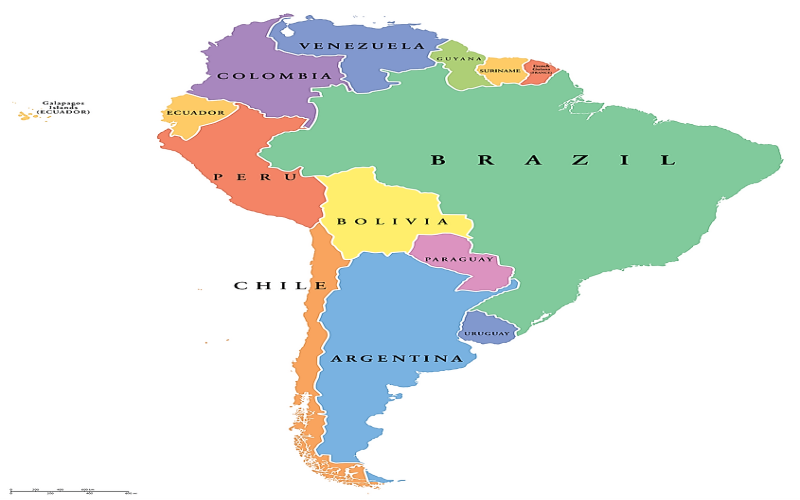
In the landscape of South American specialty coffee, Bolivia, though a niche-producing country, holds potential that cannot be overlooked. Front Street Coffee ventures deep into the La Paz region to bring you Java coffee beans from the Waliki Estate. This article will guide you through Bolivia's winding coffee history, the terroir of the Yungas Province, and the legendary journey of the Java variety from Ethiopia to Latin America. The estate employs a unique cacao sun-dried processing method, shaping a flavor interwoven with grape, nut, and honey notes through low-temperature slow drying. Front Street Coffee also shares roasting and brewing parameters to help you fully appreciate the charm of these beans. [more…]
Flavor Analysis of Bolivian Geisha and Java Varieties: From Origin Challenges to the Rodriguez Family's Specialty Journey
Although Bolivia is hailed as an ideal place for coffee cultivation, its production has always been limited, yet its coffee impresses with rich sweetness and soft acidity. From the cupping perspective of Front Street Coffee, this article sorts through the historical ups and downs of Bolivian coffee, the distribution of producing regions, and cultivation models, focusing on how the Rodriguez family has driven the development of specialty coffee, and offering an in-depth analysis of the origins of the Geisha and Java varieties. The article also documents in detail a cacao natural Java coffee bean from Finca Valiki that Front Street Coffee cupped, presenting the unique charm of this bean in full, from processing method, roasting curve, to brewing parameters and flavor description. [more…]
A Complete Guide to Coffee Variety Classification and Flavor Profiles: From Arabica and Robusta to the Typica and Bourbon Families
Coffee is no longer just a pick-me-up; it is a lifestyle. Yet, faced with shelves overflowing with coffee beans, do you truly understand the differences between the varieties behind them? There are over 500 species of coffee trees worldwide, with Arabica and Robusta dominating commercial cultivation. From the native Typica of Ethiopia, to the Bourbon that mutated after being transplanted to Yemen, and to the Geisha that has taken the specialty coffee scene by storm in recent years, each variety displays distinctly different aromas and flavors due to differences in genetics and terroir. This article systematically sorts out the genealogical threads of coffee varieties, explains in detail the flavor divide between Arabica and Robusta, and introduces one by one the characteristics of Typica, Bourbon, and their many mutations and hybrid varieties. At the same time, by combining the flavor expressions of representative products under the Front Street Coffee brand such as Blue Mountain, Mandheling, Kona, and Pink Bourbon, it will guide you in building a complete cognitive map of coffee varieties. [more…]